This past week, my business partner Todd and I spent a few days planning our business strategy for 2026. Every year, we take time to step back, think about how we’re doing, and decide where we want to go. We set goals for getting new clients, keeping clients happy, and growing the money we handle—these are the main goals for financial advisors.
But as we reviewed our goals from this past year, we noticed a trend.
First, we reached our goals. But surprisingly—we weren’t entirely clear on how we reached them.
That’s when the realization hit:
Planning is not strategy.
A plan, at its core, is a to-do list. If you’ve gone through our complimentary Think On It Process, you know this well. At the end of our Equip meeting, you receive a Measurable Action Plan (M.A.P.)—a short, clear list of things we’d do if we were in your shoes. It’s a 10,000-foot view of your financial world that helps point you in the right direction without dragging you into the weeds.
It’s incredibly useful for you because now you know what to do. It’s incredibly useful for us because we gain clarity on how to advise you moving forward.
But it is not strategy.
Strategy requires trade-offs. It forces you to say “no” far more often than you say “yes.” It is the compass behind your M.A.P.—the thing that gives your plan direction, purpose, and alignment with what matters most.
For Retirees and Soon-to-Be Retirees
Here are a few strategies that require thoughtful trade-offs:
- When to retire
- When to take Social Security
- Whether converting assets to post-tax accounts makes sense
Each of these choices can be tricky. They might mean doing something uncomfortable—working a bit longer, spending less for a while, or paying more taxes now to save a lot later.
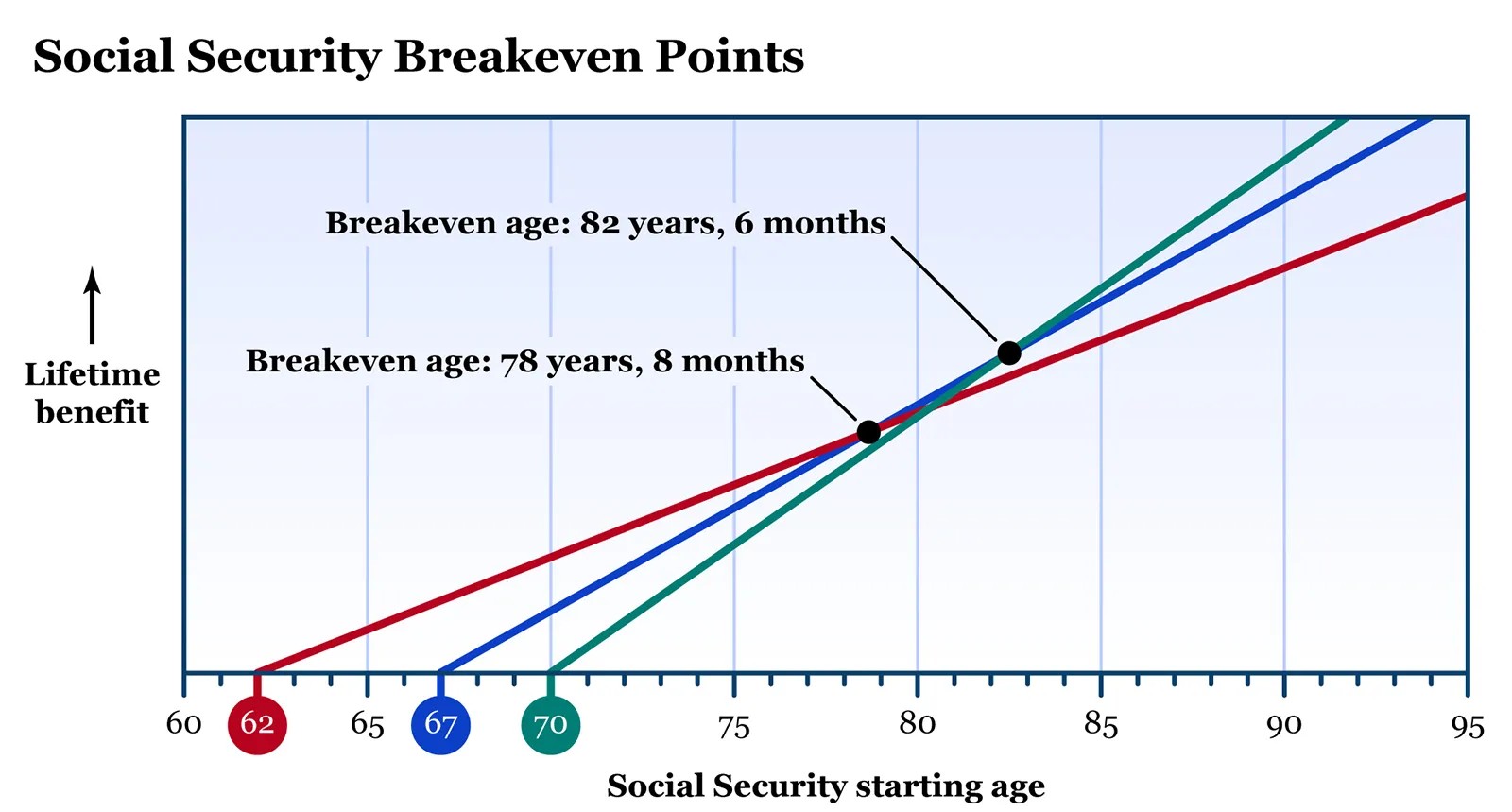
Take Social Security as an example. Waiting to take it means giving up some money now, but you’ll get a bigger check later. It’s not easy, but for many people, it’s a smart move. 1
For Business Owners
Strategy is even more critical.
Business owners often confuse busyness with progress. There’s always another customer need, employee question, or fire to put out. In seasons like this, “strategy” can quickly devolve into “whatever keeps the lights on.”
Here are a few strategic trade-offs business owners should be considering:
- Should you reinvest profits or take more home?
- Should you hire that next employee—or delay to maintain margin?
- Is it time to narrow your service offerings instead of expanding them?
- Does succession planning need to start earlier than you think?
Each decision comes with opportunity costs. Saying “yes” to everything leads to drift, not direction. But choosing the right no can transform your business and the freedom it gives you.
That’s why we look at our strategy every year at Glenn Financial. Not because our plan changes, but to make sure our path is clear.
If you haven’t checked your own financial or business plan in the past year, think of this as a little reminder.
We’d be happy to help you take the next step.
If you want to talk through your plan before the year ends, you can schedule a time with us here.